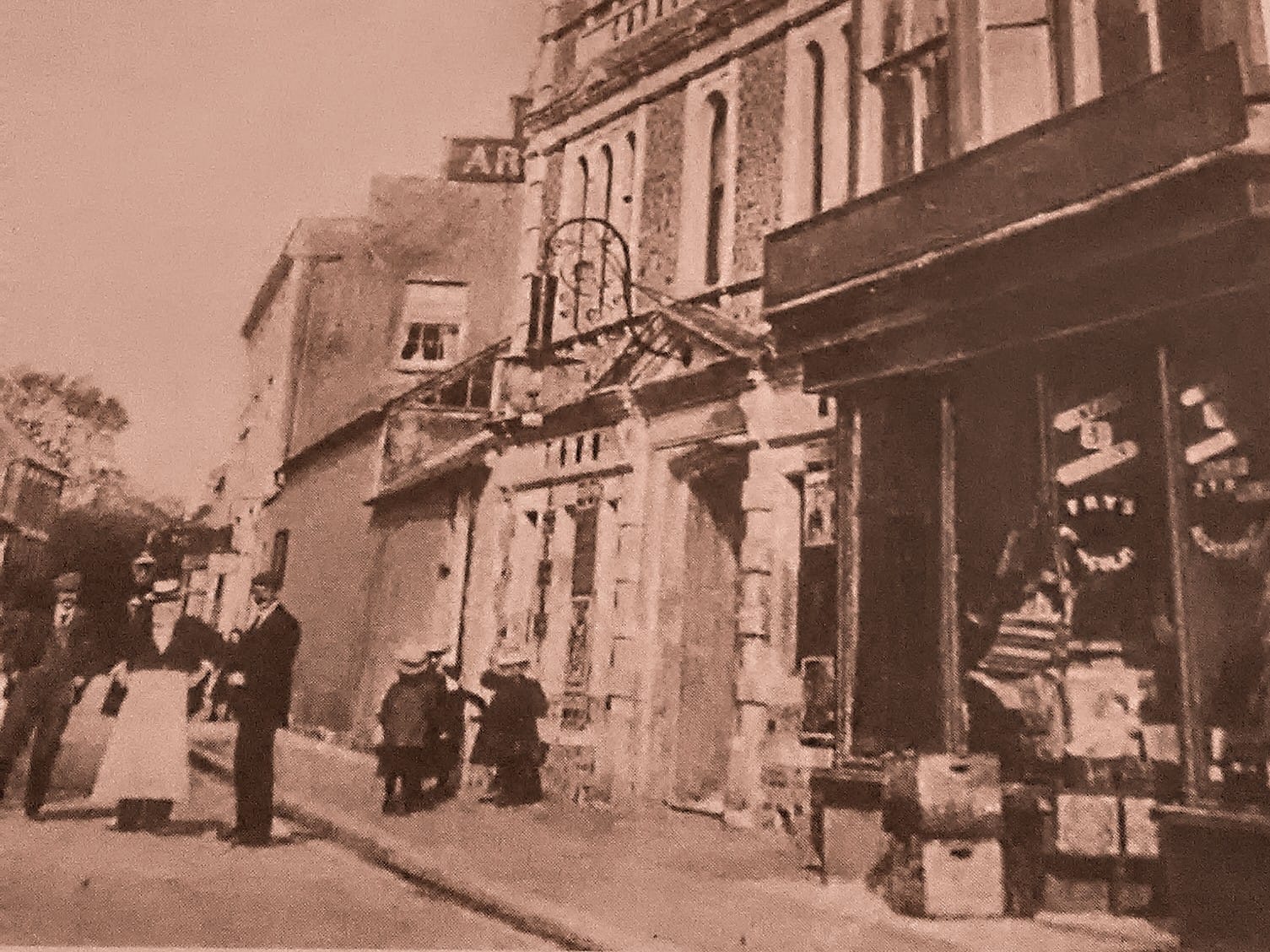
In the latter part of the 19th century, the site was occupied by Fewing’s mineral-aerated water and ginger beer factory. Mr Fewing also owned the Pole Arms Hotel, a family and commercial hotel located just along Fore Street. This industrial use reflected Seaton’s early development as a growing resort town, supported by local manufacturing closely linked to tourism and hospitality.
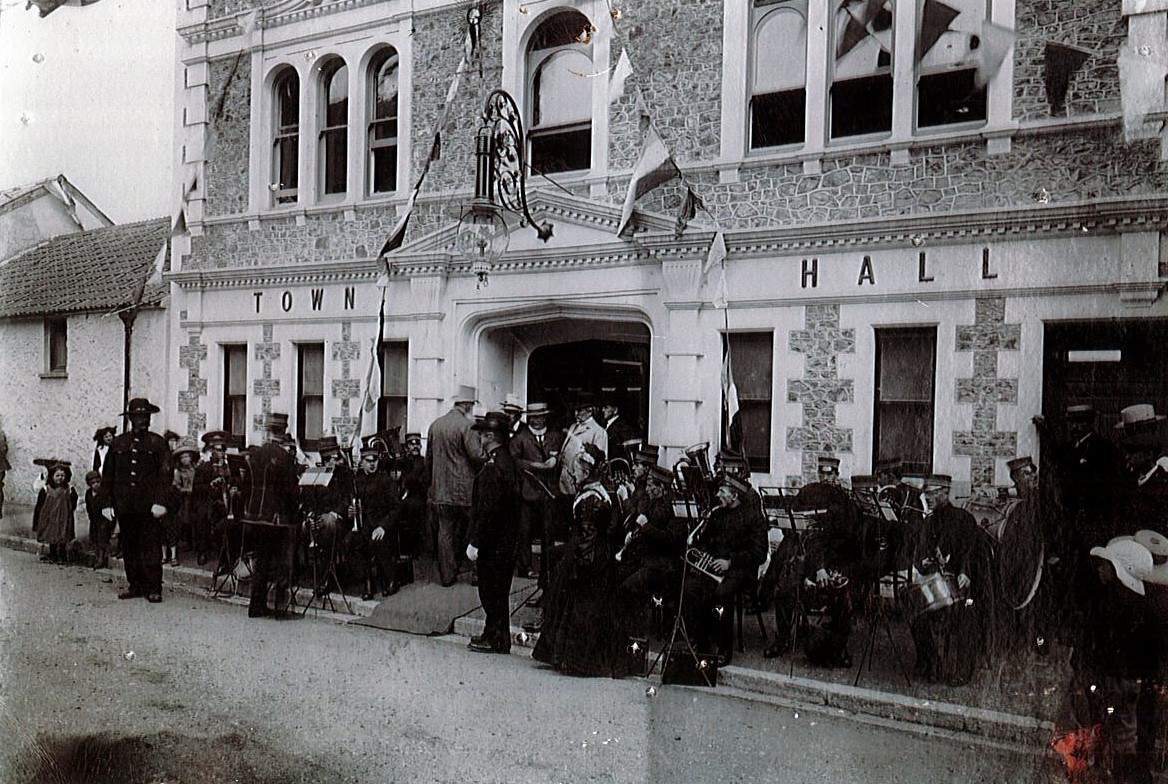
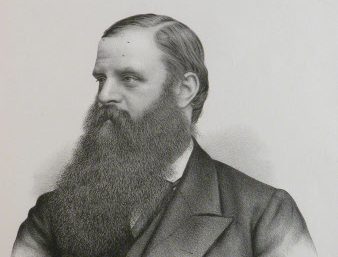
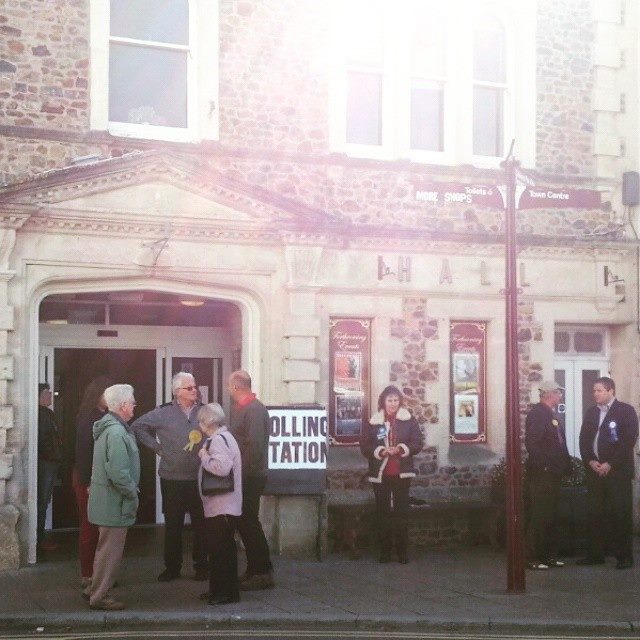
Construction of the Town Hall was completed in 1904 by Seaton builder G. H. Richards, and the building opened to the public on 27 July that year. The official opening took place in 1905 and was conducted by Sir John Henry Kennaway, CB, PC, MP. The Town Hall was constructed using a mixture of limestone from the Beer stone quarry with an infill of chert. These materials contribute to a robust and regionally characteristic appearance, with the chert forming a textured, darker base complemented by the lighter, more refined Beer stone detailing around openings and edges. Seaton’s rapid growth as a Victorian seaside destination—driven by improved rail connections and coastal attractions—strongly influenced the selection of this central site for civic development in the early 20th century.
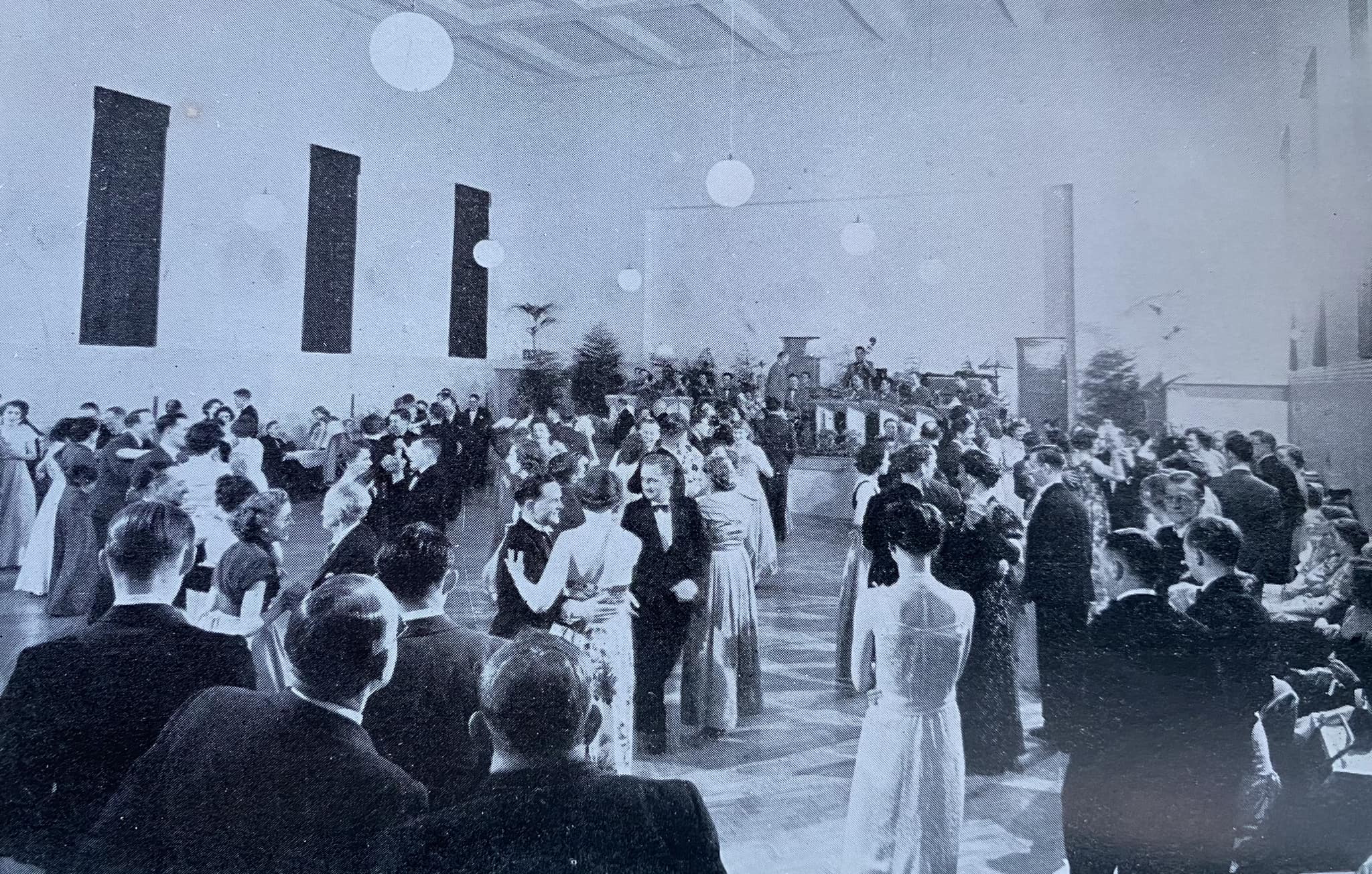
In its early years, the Town Hall was owned by Seaton Urban District Council (1891–1972). When East Devon District Council was later formed, ownership of the building was transferred to them. Events held in the original hall helped establish it as the centre of Seaton’s social life. A wide variety of activities took place, including dances with live musicians, cinema screenings, and even roller skating—although this proved short-lived after damage to the floor required the activity to be stopped.
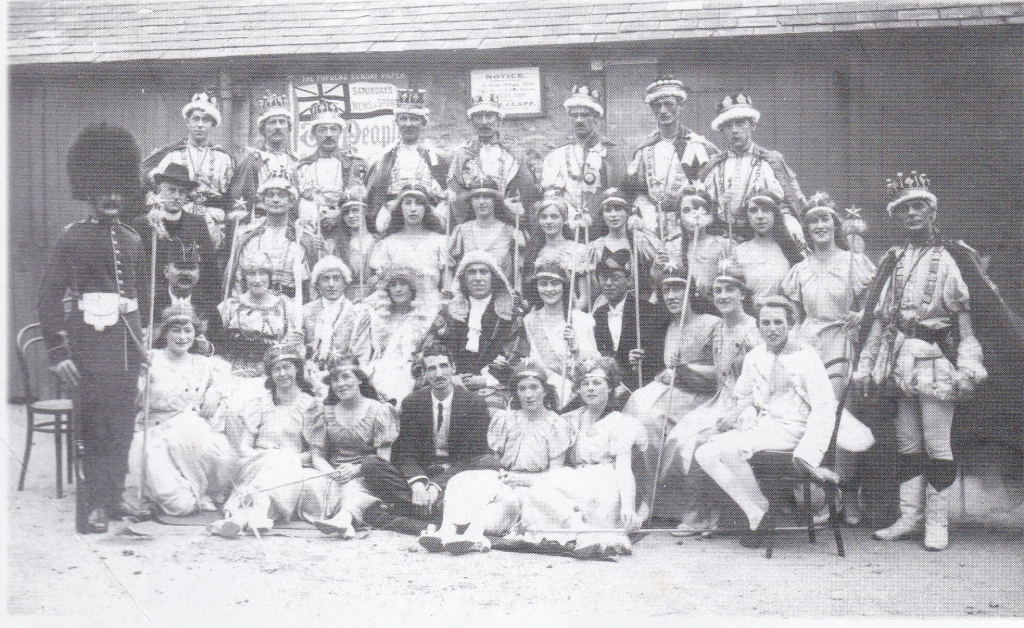
The first regular cinema screenings in Seaton were held at the Town Hall, with films shown every Thursday and Saturday. These screenings were advertised as offering “the steadiest and best pictures in the district.” Early films were silent until the arrival of the ‘talkies’ in 1929, when The Jazz Singer, starring Al Jolson, was screened in Seaton.
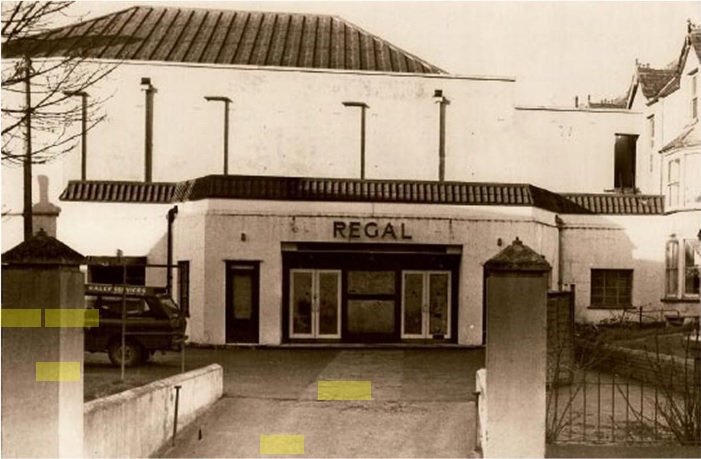
During the 1930s and 1940s, the cinema was more than just entertainment; it was a refuge—almost a shrine. For just a few pence, audiences could enjoy up to three hours of blissful escape from the harsh realities of everyday life. With the opening of the Regal Cinema in 1938, on the site of what is now Windsor Gardens, Seaton gained a second venue for family entertainment.
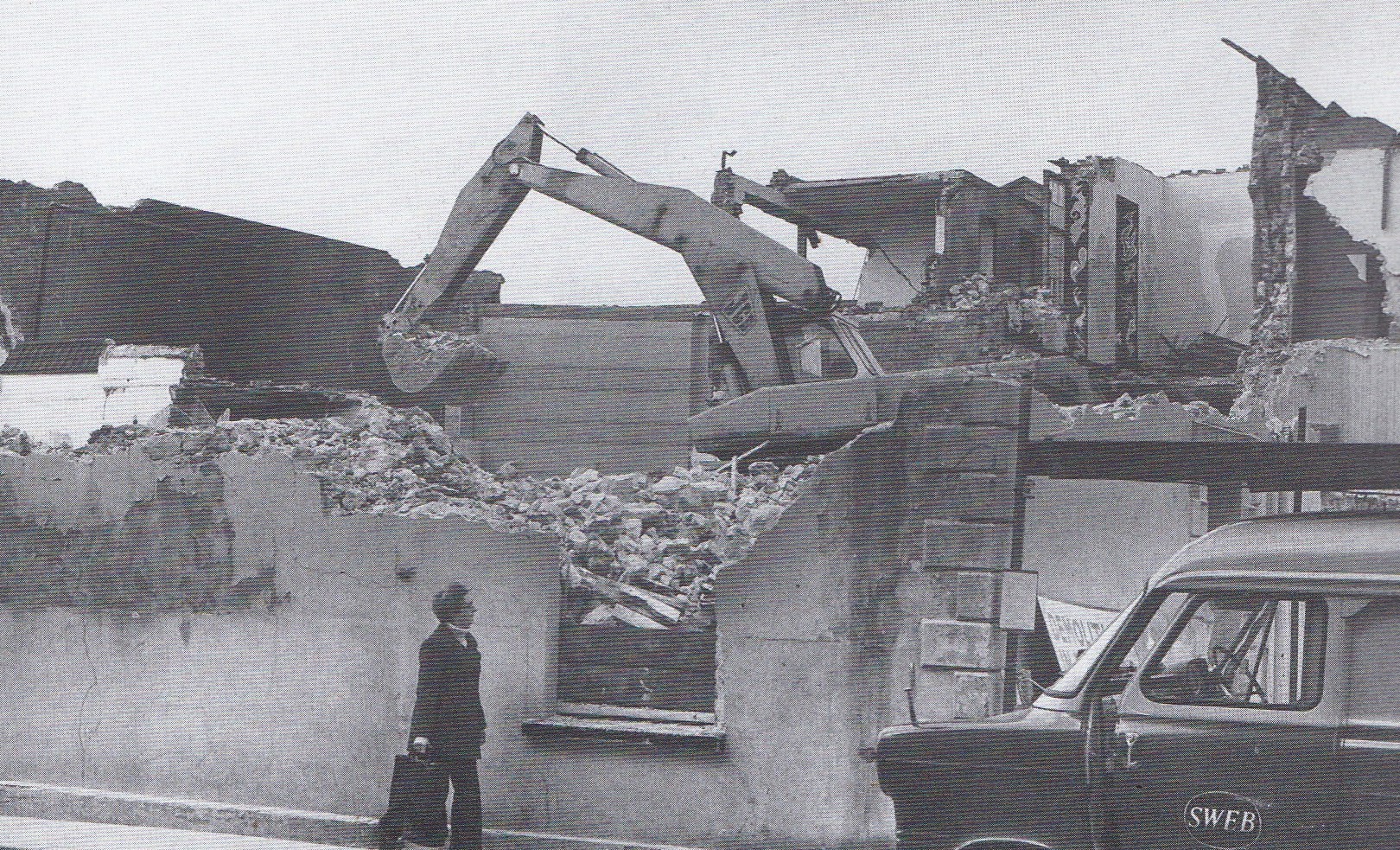
Unfortunately, the Regal Cinema did not survive the arrival of television in the 1970s and was demolished in 1972.
In the early hours of Sunday 22 January 1945, during the Second World War, a fire broke out that completely destroyed the middle section of the building. A dance had taken place the previous evening, attracting many local residents as well as a number of military personnel, including American troops who were billeted locally. It is believed that the fire may have started from a smouldering cigarette dropped onto the wooden floor, where it worked its way between the floorboards.
The fire was discovered at around 4am by Mr and Mrs French, whose grocery shop was next door and adjoined the building. By the time the National Fire Service (NFS) was alerted, the fire had already taken hold, with smoke and flames breaking through the roof. The Seaton NFS team was reinforced by crews from Axminster, Colyton, Honiton, and Sidmouth, and by daylight the fire was finally brought under control.
Thanks to the excellent work of the Fire Brigade, following the clean-up the front section of the building was preserved and continued to be used as Council Offices and a Masonic Hall. In the central area, however, only the side walls and the sleeper walls that had supported the floor remained, along with a few charred roof beams. Everything else—including the stage and balcony—had been destroyed by the fire.
The building remained in this condition until the early 1950s, when the main hall was rebuilt and reopened for the benefit of the local community in 1952. The opening performance was a contemporary production written and produced by John Bradbury, a teenage student at Colyton Grammar School who lived with his mother in Seaton at Cherry Drive. His highly successful show, The 9 O’clock Review, was warmly received by the community and is still remembered fondly.
The Town Hall has also played an important administrative role in Seaton’s history. The top floor was regularly used as a meeting place for members of the Freemasons, while the Council Chamber was established on the middle floor in the 1970s. During the 1940s and 1950s, the ground-floor room was occupied by the Gas Office.
For a small town, Seaton has supported a remarkable number of clubs, societies, and organisations, providing a diverse range of entertainment and activities for the whole community. The Town Hall has been central to this, hosting groups such as the Seaton Music Society, which has brought world-class musicians to the stage for over 60 years. The Seaton District Choral Society and the Seaton Colyton Operatic Society have also regularly presented concerts and performances, showcasing the talents of local singers and performers.
This public building, a focal point and icon for the community of Seaton, was at risk of being sold off in 2010 following a gradual decline in its use over a number of years. By that time, only a small number of user groups were still organising events. In response, a group of local residents came together to form Seaton’s Voice, taking on the day-to-day running of the building with the aim of proving its viability as a theatre. Within five years, they had secured a range of income streams and, working in partnership with the County and Town Councils, successfully negotiated an Asset Management Transfer, returning the building to community ownership.


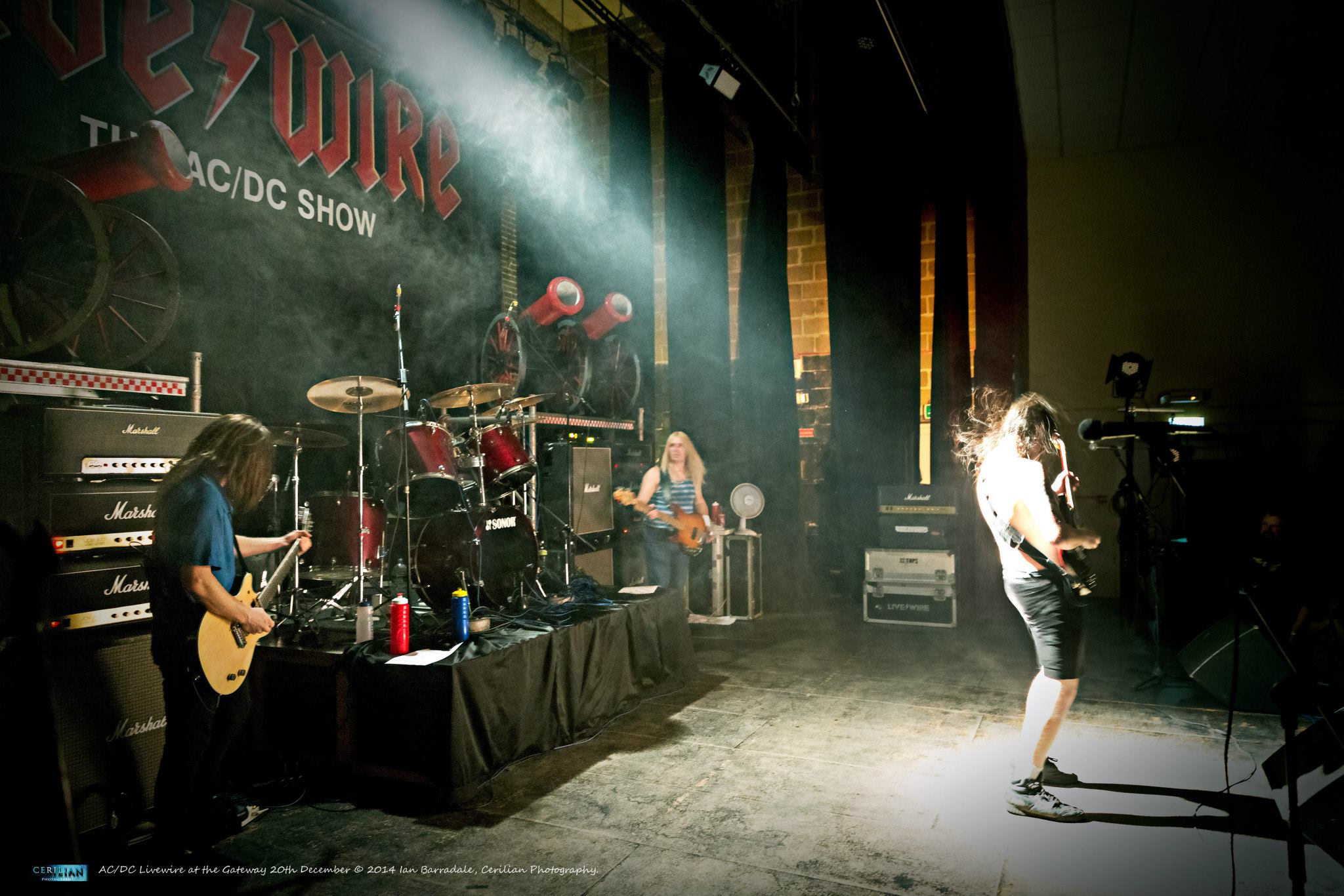
From 2011, the venue began hosting a wide range of live music events, including tribute acts and original bands such as Mad Dog Mcrea, Limehouse Lizzy, Joey the Lips, and many others. Over the Easter weekend in 2013, the venue launched a new festival, Hawkeaster, in collaboration with the English rock band Hawkwind. The festival ran for five years and welcomed hundreds of fans from across the country, many of whom stayed in Seaton for the weekend. The programme also featured appearances by Channel 5 presenter Matthew Wright.
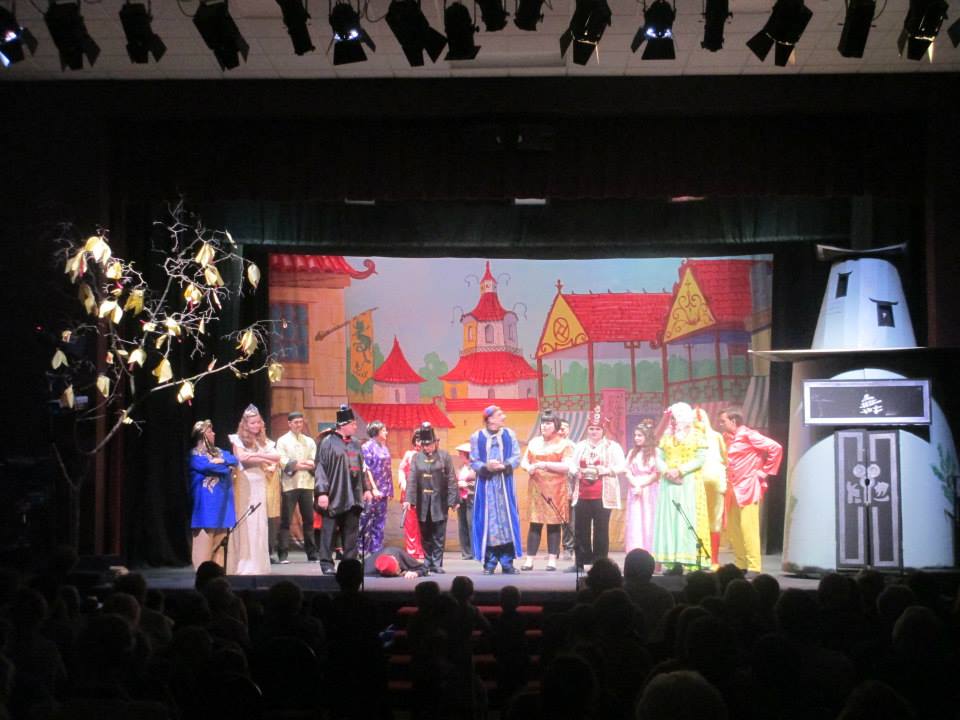
Seaton’s Voice also launched Seaton Panto in February 2011. The pantomime quickly became an annual fixture, running every February half term until 2020, when a production of The Snow Queen was performed. During this period, additional musical theatre productions were staged under the Testudo Musical Players banner, providing valuable performance and backstage opportunities for young people between 2011 and 2020.
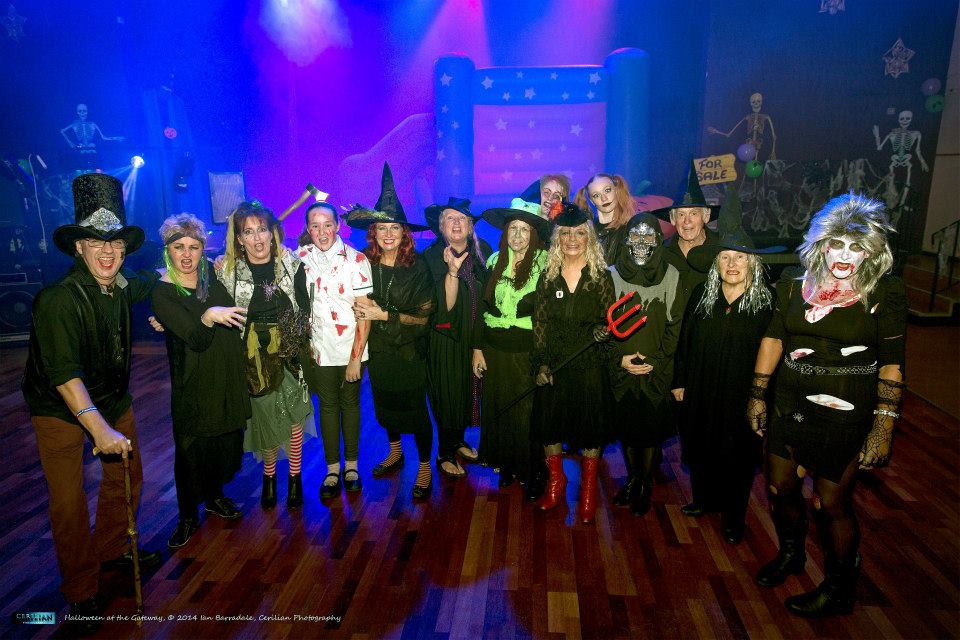
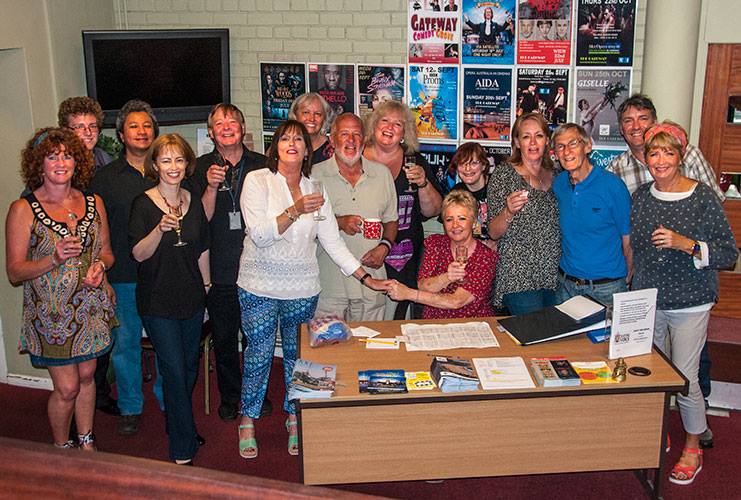
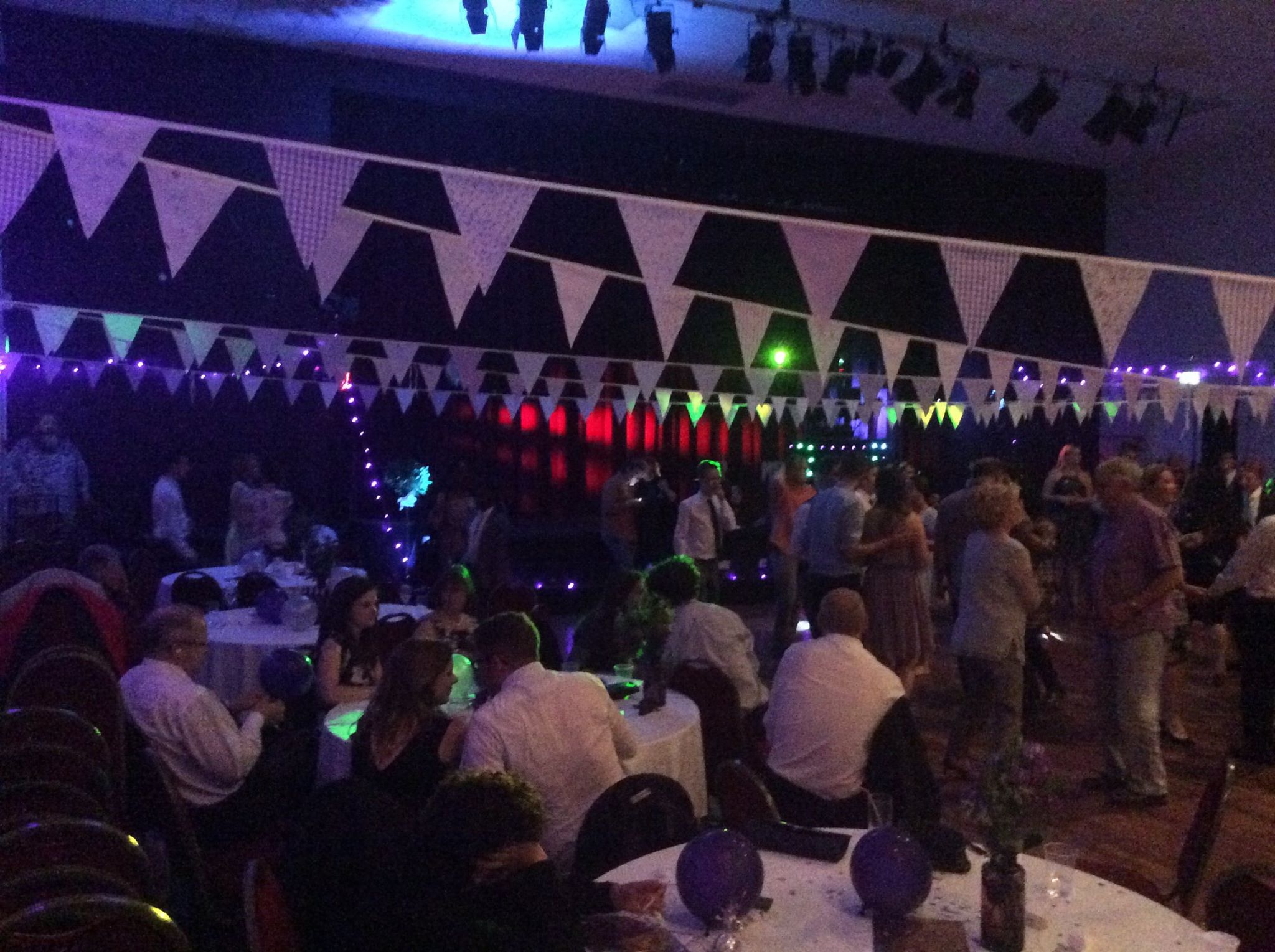
In 2016, Seaton’s Voice became The Gateway Theatre Charity, marking a significant milestone in the venue’s development. The Town Hall once again became the heart of the community, welcoming over 100 regular community hirers and engaging a wide range of local sectors. Activities enhance learning opportunities through links with local schools and colleges and contribute to improving skills and knowledge across the community. Provision includes music groups, fitness sessions for both active and less active participants, dance classes, specialist interest groups, and opportunities for local clubs and organisations to fundraise through their own events.
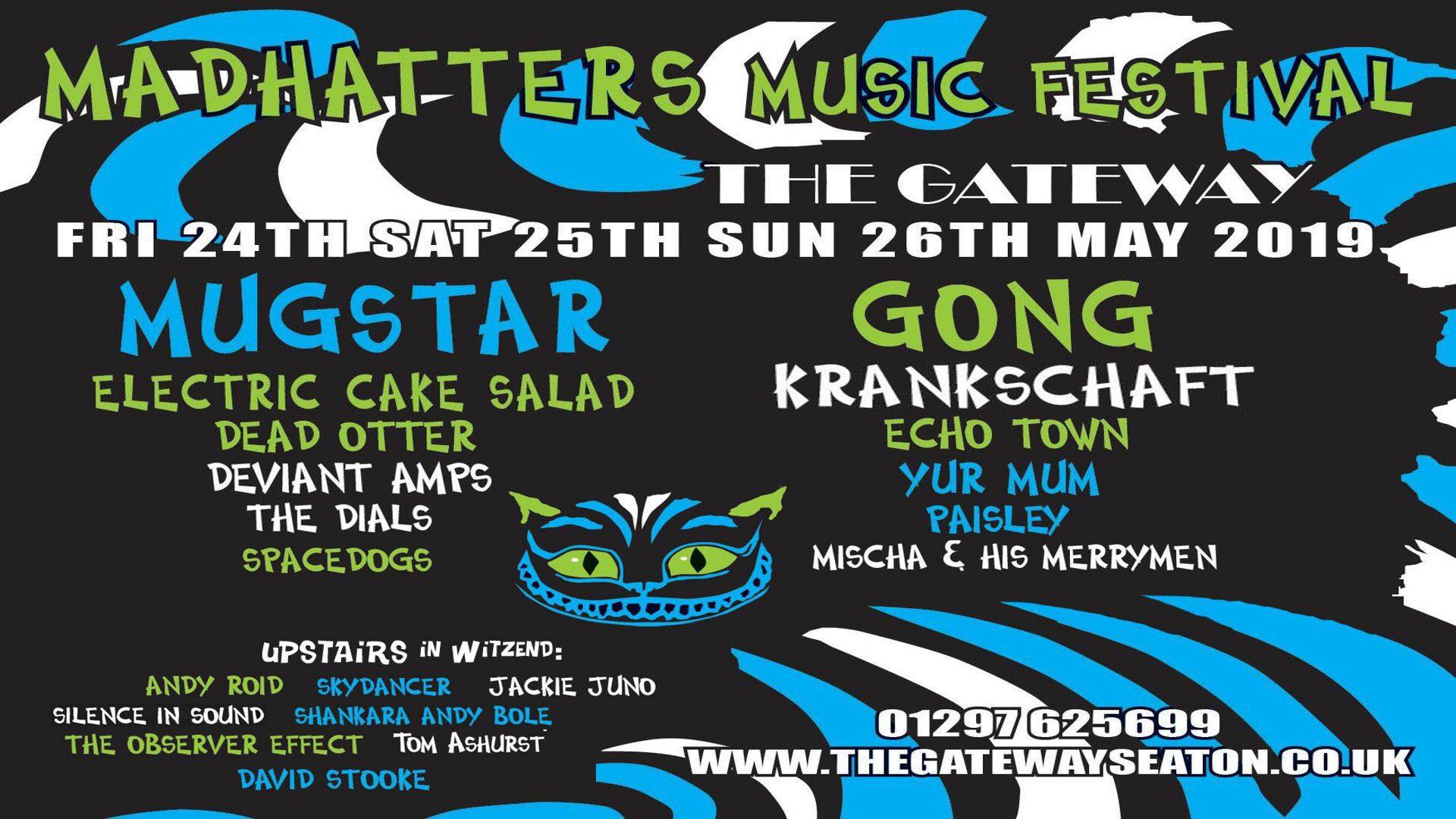
The Seaton Gateway Theatre Company later launched The Madhatters Music Festival to replace the Hawkeaster weekend. This festival ran for two years in 2018 and 2019. During this time, the charity also strengthened its partnerships with local schools, offering work experience within the venue and in stage management, as well as hands-on learning opportunities in a professional theatre environment.
Over the years, the Seaton Gateway Theatre Company has established the Town Hall as an increasingly popular and versatile multifunctional venue. The theatre plays a vital role in promoting social inclusion and has a positive impact on local regeneration and on people’s lives. It actively engages with the community, and the passion and enthusiasm of its patrons and volunteers continues to be both inspiring and sustaining.
In March 2020, the venue closed as a result of the global COVID-19 pandemic. National lockdowns had a severe impact, leading to the cancellation of events and community activities. The venue reopened in October 2021 following refurbishment works to the theatre lobby and toilets, marking its return with a gala screening of the James Bond film No Time To Die.
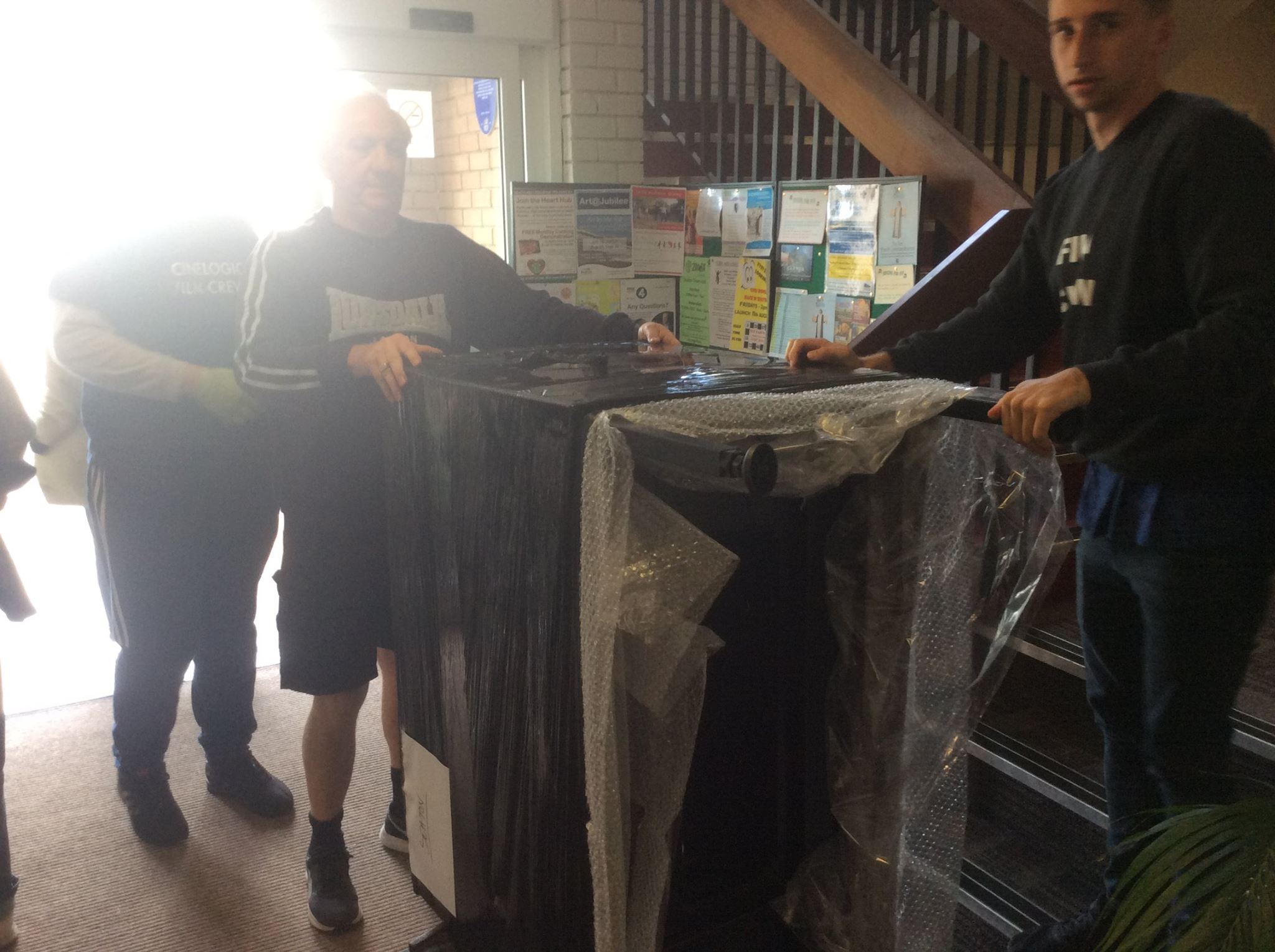

The building faced another temporary closure in November 2024 after health and safety concerns were identified, resulting in the disruption of seven months of programming and community activity. To support fundraising and maintain engagement while essential works were undertaken by Seaton Town Council, The Gateway Theatre Company continued to operate by hosting events at nearby venues, including Seaton Tramway Station, Seaton Old Picture House, and Kilmington Cranberries. Following a final safety assessment, the venue reopened in June 2025 with a comedy evening hosted by Andrew Maxwell and a music fundraising event featuring Riviera Dogs, who have performed annually at the venue since 2017.
In 2026, The Gateway Theatre hosted it’s first music festival event since the discontinuation of the Madhatters Festival in 2019. Seaton’s Cider Bash was hosted over two evenings welcoming a range of local bands and food vendors.
HAVE YOUR SAY IN
THE GATEWAY
We are always interested in hearing from people who would like to become trustees of our community venue. As a trustee, you’ll help guide the future of a local charity that champions creativity, access to the arts, and community connection.